When it comes to ear wax removal, medical professionals, particularly Ear, Nose, and Throat specialists (ENTs), often prefer micro suction over other methods. Micro suction does not use water, and the clinician can see into the ear canal during the procedure. This blog post delves into the reasons why ENT doctors use micro suction for ear wax removal.
How It Works
Unlike traditional methods such as ear syringing or irrigation, which involve flushing the ear with water, micro suction uses suction to remove ear wax. This method allows ENTs to avoid the use of water but also to maintain direct visibility down the ear canal during the procedure with a microscope or head worn o-scopes; enhancing safety.
One of the primary concerns with ear syringing is the risk of infection and ear canal trauma. Water introduced into the ear canal can lead to infections in certain populations, especially if the water is not sterile. Additionally, the pressure from water irrigation can sometimes be too harsh, leading to discomfort or even perforation of the eardrum. Micro suction does not use water, so it avoids the risks that come from flushing the ear.
Impacted Wax
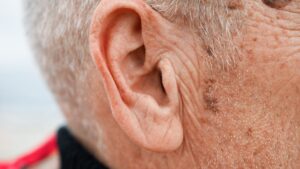
Impacted ear wax can be particularly challenging to remove. ENT specialists frequently encounter cases where ear wax has been pushed deeper into the ear canal, often as a result of incorrect cleaning methods such as cotton buds. Micro suction can be used to remove hardened or impacted wax.
This method is beneficial for patients who produce excessive ear wax or have recurring issues with wax impaction. It’s also suitable for individuals with narrow or curvy ear canals, where traditional methods might fail.
Comfort for the Patient
Suitability for Patients with Medical Conditions
Micro suction may be suitable for some patients with certain medical conditions or ear histories. For example, individuals who have had ear surgery, such as tympanoplasty, or those with perforated eardrums, are advised to avoid water-based cleaning methods. Because it is dry, microsuction may be an option for these patients. Your practitioner will assess whether it suits you.
Support for Hearing Aid Users
For hearing aid users, regular and effective ear wax removal is crucial for the optimal functioning of their devices. Your nurse can advise how often wax removal is appropriate for you. This is particularly important for hearing aid users, as devices tend to push wax deeper into the ear, increasing the risk of wax build-up and blockage.
Conclusion
ENT specialists use microsuction for ear wax removal because it is performed under direct vision. It is suitable for a wide range of patients, including those with sensitive ears or specific medical conditions. ENTs use microsuction to manage ear wax issues for their patients.
Earworx uses microsuction, performed by trained registered nurses, for wax removal procedures. Every Earworx nurse practises within the framework of the Nursing and Midwifery Board of Australia (NMBA) Registered Nurse Standards for Practice, and completes a comprehensive training program that meets and exceeds the minimum training standards published by the British Society of Audiology (BSA) in its Minimum Training Guidelines: Aural Care Delivered by Hearing Health Care Professionals (2020) – the same benchmark ENTUK, the UK’s professional body for ENT surgeons, explicitly recommends for all non-ENT clinicians performing microsuction. Our program includes a period of supervised clinical mentorship before nurses practise independently. Earworx nurses also complete additional training beyond the BSA adult scope to safely care for children aged four and over.
Find your nearest clinic and book an appointment today.
References: