
If you’ve ever searched for ways to deal with stubborn earwax, you may have come across something called an ear wax vacuum, or micro suction. This process removes excess wax without water, which is one reason it has grown in popularity. But how does it actually work? And more importantly, is it safe?
In this article, we’ll explain the difference between home-use ear vacuums and the professional ear wax removal microsuction technique used by trained clinicians. We’ll also explain how microsuction works and who it may be suitable for.
What is an ear wax vacuum?
An ear wax vacuum is a tool designed to remove built-up wax from the ear canal by using suction. It works similarly to a miniature vacuum cleaner, drawing out wax and debris without the need for flushing or irrigation.
1. At-home ear vacuums: These are widely available online and marketed as DIY solutions for removing wax. They typically feature soft plastic tips, battery-powered suction, and sometimes include lights or cameras. However, these devices often lack the strength, precision, and safety features required for effective removal. As a result, they may even cause more harm than good if used incorrectly.
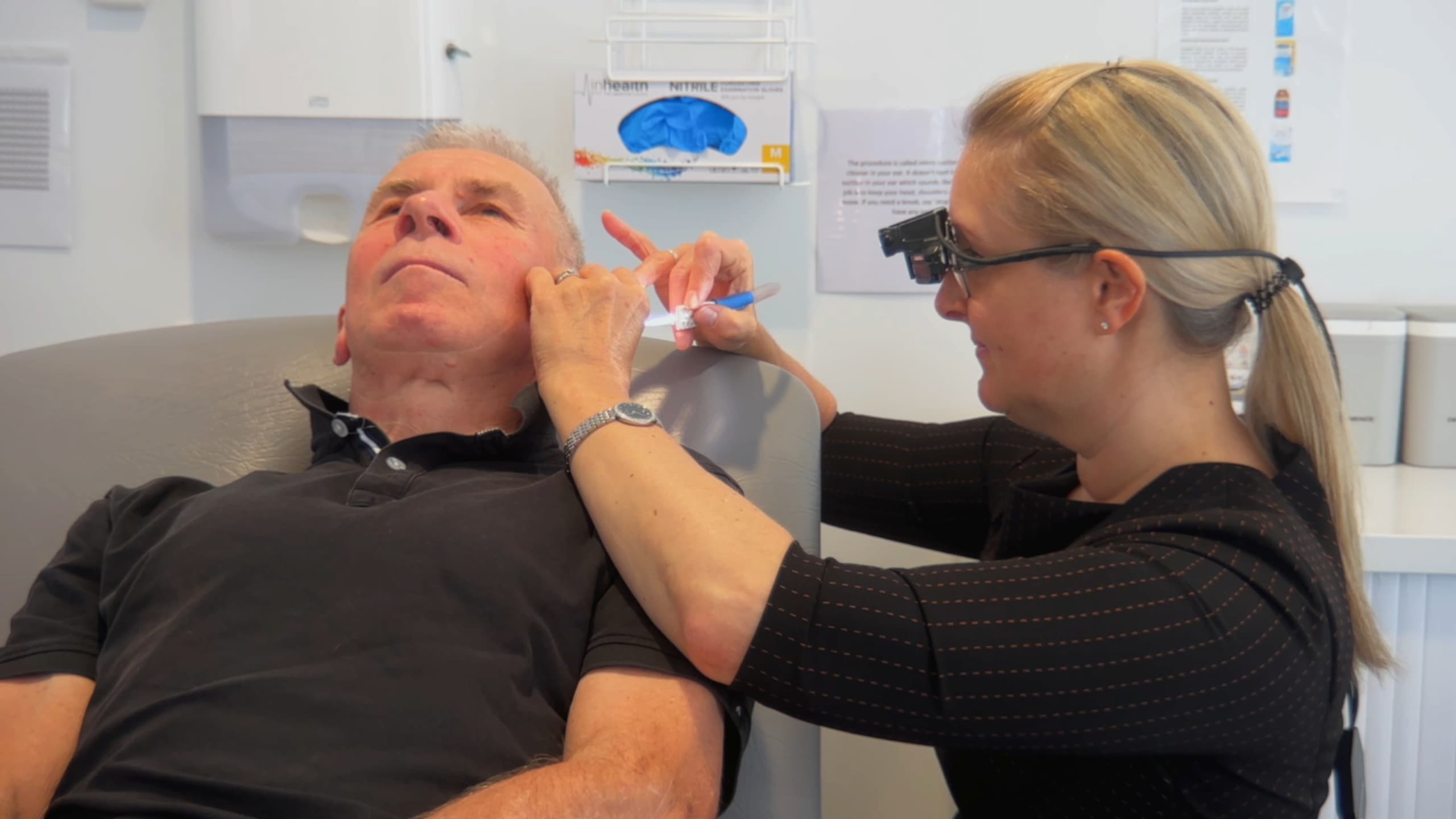
2. Professional ear wax removal vacuum (microsuction): This is a medical-grade technique performed by trained professionals using specialised equipment. At Earworx, we use a state-of-the-art vacuum for ear wax removal called microsuction. Microsuction is a technique also used by ENTs.
How does professional Ear Vacuum Wax removal Work?
Microsuction is the professional form of vacuum ear wax removal. Here’s how it works:
1. Visual inspection
The process begins with a careful visual examination of the ear canal using a specialised microscope or magnifying headset with a bright light. This allows the clinician to see exactly where the wax is located and assess the condition of the ear canal and eardrum.
2. Suction:
A fine, medical-grade suction device is then used to draw wax out of the ear canal. The process is dry. There is no water or flushing involved, which makes it ideal for people with sensitive ears, perforated eardrums, or a history of ear infections.
3. Precision and control:
The entire procedure is performed under direct vision, it allows for a high level of control and precision. The clinician works around the delicate structures of the ear under direct view.
At Earworx, registered nurses are trained in this professional earwax removal technique and work in a clinical environment.
Is an Ear Wax Vacuum safe?
Professional vacuum-based earwax removal should be performed by a trained practitioner using clinical-grade equipment. It minimises the risks associated with water irrigation, such as infections, dizziness, or eardrum perforation.
However, DIY ear vacuums sold online often lack regulation and quality assurance. These devices typically do not provide enough suction to be effective, and in some cases, they can irritate the ear canal, push wax deeper, or cause minor injury.
That’s why we always recommend seeing a professional if you’re experiencing symptoms of earwax impaction, such as:
- Blocked or muffled hearing
- A feeling of fullness in the ear
- Tinnitus (ringing or buzzing)
- Ear discomfort or itchiness
Why choose Earworx?
At Earworx, microsuction ear wax removal is the only procedure we perform. It is the technique used in ENT clinics and involves no water. Earworx registered nurses tailor care to your needs.
If you’ve tried over-the-counter products or are looking for an alternative to syringing, our team can assess your ears and remove wax if needed.
If you’ve been considering an ear wax vacuum, it’s important to understand the difference between home-use tools and the professional ear wax removal vacuum method known as microsuction.
While DIY devices may seem convenient, they often fall short in safety and effectiveness. For a reliable, evidence-based approach to vacuum for ear wax removal, trust the experienced team at Earworx.